
Enterprise AI adoption consultancy
Turn AI implementation into trusted, role-relevant and measurable changes in everyday work
AI can be widely used without improving how work gets done.
While the technology is accessible, training programs and pilot projects are underway, and governance is being established, leaders, managers, and employees still need clarity on AI's role, the necessary changes to work practices, and what responsible adoption entails in practical terms.
This highlights the organisational aspect of AI Adoption.
Forward Transformation leads the organisational AI adoption workstream. Supporting teams to apply AI responsibly to priority tasks, supports managers to embed changes in workflows, and works with business owners to assess whether those changes improve outcomes.
Every engagement is led by Selina Thompson, a senior change and digital adoption consultant with more than 15 years of enterprise experience.

Experience and results at enterprise scale
15+ years
Leading enterprise change and digital adoption across global organisations.
19,000+ employees
Role-based AI literacy and adoption across a global EMEA workforce.
30 role-based AI workshops
Operational roles for Senior Leaders, People Managers, and Subject Matter Experts, saw an average AI skills increase of 60%.
25% reduction in stakeholder resistance
Measured during a regulated enterprise transformation.
40% faster onboarding
Cut the time to onboard 5,000 employees onto new collaboration tools within 12 weeks.
When do organisations need AI adoption support?
The early milestones may already be reached: tools are approved, pilots completed, training attended, and some teams are using AI regularly.
However, the next challenge is transforming this early adoption into confident, repeatable practice across the work that truly matters.
Selina can help when:
AI is live, but teams still do not know where it fits
Employees may be experimenting, but they cannot confidently connect AI to the tasks, decisions and standards that matter in their roles.
Engagement is disconnected
Messages, learning and resources exist, but they are not connected to priority roles, workflows or measurable adoption goals.
Pilots are moving faster than the organisation
The technology is progressing, but leadership alignment, manager support, learning and behaviour change have not developed at the same pace.
Usage is increasing, but value is difficult to prove
Activity data shows whether people use AI tools. Leaders also need evidence of change and tangible outcomes that matter to the business.
Managers lead adoption without support
Managers need clearer expectations, practical guidance and space to help teams apply AI responsibly within real work.
Everyone owns a piece, but nobody owns adoption
Product, tech, governance, people, and learning teams contribute to the program, but there is no coordination to unify their efforts for organisational change.
What is organisational AI adoption?
Organisational AI Adoption transforms AI implementation into measurable improvements in workplace efficiency and effectiveness. It builds trust, support, and lasting change throughout your organisation.
Why is AI Adoption important?
Technical delivery makes AI available. Organisational adoption helps people apply it confidently and responsibly within the workflows that matter. When both technical and organisational streams advance together, from pilots to scaling and continuous improvement, your business unlocks AI's full value.
How does Forward Transformation support AI adoption?
Forward Transformation assists your teams in recognising adoption challenges, integrating AI into impactful workflows, and nurturing the confidence and support necessary for effective AI use.
What does this service deliver?
-
Stronger collaboration between technical and business teams
-
Increased employee confidence and responsible AI usage
-
Measurable business outcomes from AI investments
How does this service integrate with existing teams?
This service complements your internal business functions working on AI transformation initiatives, enabling your organisation to maximize the potential of AI.
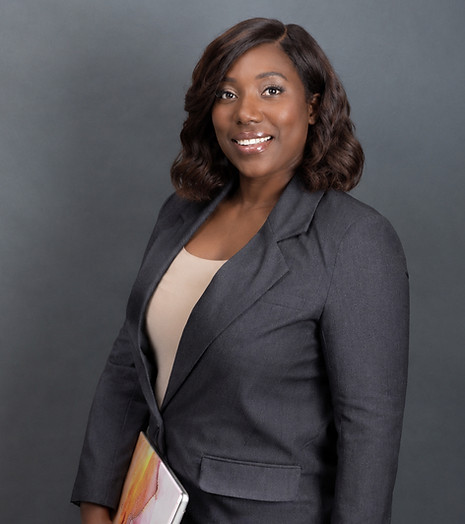
AI Adoption shouldn't be measured only by how many people opened a tool or attended training. The real question is whether people are using AI responsibly in their roles and workflows, and whether the work is improving.
Selina Thompson, Founder
How Selina can support your organisational AI adoption programme
Three ways Selina can help when adoption is already underway
Selina’s approach is tailored to your organisation’s unique adoption journey, meeting you at the critical points where momentum slows and unlocking the next phase of progress.
Diagnose where adoption is stuck
Review what is already in place, how AI is being used and where progress is breaking down.
Distinguish between tool, capability, workflow, management and ownership problems before deciding what to do next.
Embed AI into priority workflows and strategic initiatives
Work with business leaders and teams to embed responsible AI use in a priority workflow.
Define where AI helps, where human judgement remains essential, what needs to change and how progress will be assessed.
Lead the next stage of organisation AI adoption
Provide interim or fractional senior leadership when AI activity is growing but ownership, workflow integration and value realisation remain fragmented.
Selina coordinates business owners, managers and specialist teams around the next stage of adoption.
You don't need to choose an option before reaching out.
Our initial conversation will help clarify whether you need diagnosis, targeted workflow support or broader adoption leadership.
How Selina drives organisational AI adoption
Many organisations have individuals responsible for aspects of AI adoption, but often lack a unified owner to integrate these efforts and ensure accountability.
Selina leads and coordinates AI adoption as an integrated initiative. This ensures that leadership, management, workflows, learning, and measurement are aligned with the organisation's strategic objectives.
The emphasis depends on what is already in place and where adoption is stalling.
AI Adoption diagnosis and prioritisation
Identify the underlying causes of stalled adoption rather than treating low usage as the whole problem.
Focus the work on the roles, workflows, behaviours and dependencies that matter most to enable precise change interventions.
Leadership alignment and ownership
Ensure that leaders, program teams, and specialized functions are united in their goals, with well-defined decision-making rights and responsibilities, to eliminate gaps between those facilitating AI adoption and those handling technical delivery.
Manager, workforce and workflow enablement
Translate approved AI tools and use cases into role-relevant support.
This encompasses manager enablement, learning, communication, feedback, and reinforcement, all connected to your workflows.
Measurement and readiness to scale
Agree meaningful baselines and outcome measures with business owners.
Combine these with evidence of changes in practice and feedback to decide what to improve, expand or scale.
An engagement gives leaders a clearer view of what is holding adoption back, what needs to change and how progress will be measured.
Depending on the organisation’s starting point and agreed priorities, outputs may include:
-
AI adoption assessment: identifying barriers, dependencies and areas requiring attention
-
AI adoption workstream design: defining the structure, ownership, decision-making and coordination
-
AI adoption plan: goals, priorities, actions, responsibilities and sequencing.
-
AI adoption outcomes and target behaviours: clarifying what needs to change in everyday work and support.
-
Priority roles, workflows and use cases: where adoption effort should focus first
-
Measurement approach: how progress will be assessed and what to strengthen, scale or stop
Deliverables are shaped around the organisation’s existing AI activity and agreed priorities.
Workshops, learning and communications may support the engagement, but they do not replace clear ownership, relevant workflows and sustained organisational support.
What does an AI adoption engagement with Selina produce?
How does an organisational AI adoption engagement move from challenge to practical progress?
Selina works through four stages: understand the current situation, focus the priorities, apply AI in real work and evaluate what changes.
Understand what is happening now
Review current initiatives, workforce needs, existing support and available evidence to see where adoption is inconsistent or failing to change work.
Focus on what matters most
Prioritise the roles, workflows, behaviours and outcomes that need attention, then align leaders and specialist teams around ownership and measures of progress.
Apply and strengthen AI in real work
Work with business owners, managers and employees to improve responsible AI use in a defined role, workflow or business area, including where human judgement and additional support remain essential.
Evaluate what is working and what happens next
Review the evidence against the agreed baseline to decide what to improve, expand, scale or stop.
AI is in use but progress has stalled?
Tell Selina where adoption is uneven, which workflows matter most and what evidence you have so far.
Frequently asked questions about AI adoption after rollout
1 / When should an organisation bring in an AI adoption specialist?
An AI adoption specialist is most useful when AI activity is already underway but adoption is uneven, workflows have not fully changed or the evidence of value is unclear.
You may already have tools, pilots, learning, governance or approved use cases in place. Selina can help diagnose where progress is stalling, identify the roles and workflows that need attention and clarify the most useful next step.
2 / What does an AI adoption specialist do once AI is already in use?
An AI adoption specialist helps turn early AI use into more consistent, supported and measurable changes in how work gets done.
Selina works with business owners, managers and specialist teams to identify adoption barriers, embed AI into priority workflows, strengthen confidence and judgement in real work and establish how progress should be measured.
3 / Is AI adoption consulting the same as AI training?
No. AI training can build knowledge and tool capability, but organisational adoption is broader.
Forward Transformation focuses on how AI is applied in real roles and workflows, what managers need to reinforce, where human judgement remains important and how the organisation will know whether the change is improving work. Learning may form part of an engagement, but it is not the whole solution.
4 / How do you measure whether AI adoption is creating business value?
AI adoption should be measured by changes in how work is performed, not by tool usage alone.
Selina works with business owners to agree relevant baselines and outcome measures, which may include quality, rework, turnaround time, confidence or other indicators that matter to the business. These measures are combined with evidence of changed practice to determine what should be improved, scaled or stopped.
5 / How does an AI adoption specialist work with IT, engineering and governance teams?
An AI adoption specialist complements technical and specialist teams rather than replacing them.
Selina works alongside AI, product, engineering, IT, data, security, governance, HR, learning and change teams while leading the organisational work that connects their activity to business owners, managers, employees and priority workflows.
technical, compliance, legal and governance decisions remain with the appropriate client or delivery-partner teams.
6 / What should we do if AI adoption is stalling but we do not know why?
You do not need to diagnose the problem before asking for help.
The first step is to understand what is already in place, where adoption is inconsistent or stalled, which workflows matter most and what evidence currently exists. Selina can then help determine whether the issue is primarily capability, workflow design, management support, ownership, measurement or a combination of factors, and recommend a proportionate next step.
Discuss your AI adoption challenge
If AI is already in use but adoption is uneven, workflows have not shifted or value is difficult to evidence, tell Selina where progress is getting stuck.
You do not need a finished brief or a chosen service. Share what is already in place, which teams or workflows matter most and what you are seeing so far. Selina can help identify the most useful next step.
Already have a defined requirement?
Include the context, anticipated timing and the support you are seeking.
Selina will review your enquiry personally and respond where there appears to be a relevant fit.


